
Corporate Negotiation Training: Strategy, Psychology & Practice








Corporate Negotiation Training at a Glance
This corporate inhouse negotiation training is designed for teams and decision-makers who want to conduct negotiations with greater confidence and achieve measurably stronger outcomes. The programme focuses on real business cases, power-balance analysis, BATNA, ZOPA, the Harvard Method, negotiation psychology, live simulations and direct transfer into active B2B negotiations. Delivered where your teams work: We deliver this English-language negotiation training at client locations across Germany, Austria and Switzerland. It is designed for international teams whose corporate language is English and who operate within the DACH business environment — not as an open public seminar.
Inhouse · Sparring · Rollout For teams, leadership groups and executive audiences. Delivered onsite, remotely or as a multi-stage corporate programme.
Procurement · Sales · HR · C-Level For procurement directors, sales leaders, HR teams, project managers and executives preparing for critical negotiations.
Harvard · BATNA · ZOPA · Power Mapping A combination of extensive executive experience, research-based negotiation frameworks, real business cases, simulations, feedback and structured transfer.
Corporate B2B Mandate A tailored project scope based on the target group, the depth of case preparation and the required level of implementation support.
Inhouse Negotiation Training: Tactics, Psychology & Strategy
Tactical Tools: What You Take Away from the Training
We bypass theoretical fluff commonly taught in standard seminars. Combining solid academic backing with hard-won experience at the B2B frontline, we filter the noise for you: we focus entirely on battle-tested tactical tools. This is the only path to ensure that corporate training yields measurable results and delivers an immediate ROI on your commercial deals:
- Strategy Development: We prepare every negotiation scenario in a way that maximizes your structural leverage while identifying and eliminating blind spots.
- Negotiation Psychology: You learn to decode the tactics, dirty tricks, and psychological manipulation attempts of the counterparty and counter them with confidence.
- Negotiation Tactics: You establish tactical dominance throughout the process – from setting strategic price anchors to maximizing deal value using the Harvard Method.
- High-Speed Preparation: Traditional preparation wastes valuable time that executives simply do not have in their daily operations. We equip you with our proprietary PREP-SHEET, enabling strategic, highly precise preparation in minimum time.

What our Customers say
“A milestone for our team”
“Great negotiation seminar! The two days really helped the team advance.”
“Many interesting insights and ideas for daily practice.”
Executive Inhouse-Formats: Our Specialization
Specialization: Procurement

Procurement negotiations are not decided by price, but by the power mapping behind the negotiation table. This high-impact negotiation training for procurement teams, lead buyers, and CPOs combines should-cost analysis, cost engineering, BATNA development, and tactical power-mapping to verify supplier claims and neutralize monopoly positions. Focus areas include annual contract negotiations, tendering escalations, and single-source supplier management. Delivered in a customized inhouse format based on your actual supplier cases, complete with NDA protection and rigorous strategic preparation.
Specialization: B2B Sales

Sales negotiations are won where margins are protected: in strategic client acquisition and annual key account meetings. This specialized negotiation training for sales directors, key account managers, and business development teams focuses on margin protection, value-based argumentation, and handling professional procurement organizations. We address pricing pressure, complex rebate negotiations, C-level escalations, and strategic accounts. Delivered in an inhouse format using your real customer cases, competitive mapping, CRM integration, and tactical power-balance analysis before major closing deadlines.
Negotiation Training HR & Talent Acquisition

Our negotiation training for HR & talent acquisition professionalizes salary negotiations with candidates, executive agreements, and negotiations with works councils. In the context of the strict EU Pay Transparency Directive, fair salary structures are more critical than ever to prevent unfair wages and distorted pay structures that lead to dissatisfaction, performance drops, and internal friction. This inhouse format empowers HR directors, business partners, and recruiters to strategically manage sensitive onboarding and separation processes (termination, severance agreements, outplacement) without triggering high escalation costs.
Negotiation Training Public Sector

Our negotiation training for the public sector and public procurement (BHO/LHO) empowers purchasing teams, municipal managers, and buyers to strategically exploit negotiation margins. We cover national standards like public tenders, restricted tenders (with/without competition), negotiated awards, and direct awards, alongside EU-wide formats like open or restricted procedures, negotiated procedures, and competitive dialogue. Even in direct awards or defending against supplier claims (EVB-IT), this onsite seminar ensures the economic and compliant use of public funds.
International Negotiation Training

Our international negotiation training adapts core principles to cross-border deals and cultural power dynamics, which rarely fail because of contract wording but due to cultural expectations and indirect communication. This B2B inhouse format for global corporations and export-driven mid-sized companies combines cross-cultural psychology, power-balance mapping, and strategic deal-preparation. Focus areas include China, India, the USA, Japan, and MENA in both global sourcing and sales, utilizing actual cases and backed by Dr. Schoen's peer-reviewed cross-cultural research.
Negotiation Training Harvard Method

Our negotiation training using the Harvard Method establishes a central framework for complex B2B negotiations where BATNA, ZOPA, interests, and objective criteria are applied as mutual trade-offs. This program is tailored for corporate teams preparing for high-stakes supplier deals, M&A transactions, sales escalations, or joint-venture setups. This inhouse format combines the classic principled negotiation framework with structural power analysis and local adaptation for global markets, backed by our own peer-reviewed research published in international journals.
AI & Strategy: Integrate Data-Driven Power into Your Negotiation Preparation
Negotiations are won through the systematic analysis of information. This is particularly critical when time is short, yet data precision is mandatory. This is exactly where our proprietary technology, NeGo-IQ®, delivers clear advantages, backing your arguments with hard data and solid facts. By replacing gut feeling and emotional pressure with objective evidence, you establish a constructive, high-trust atmosphere – ideally combined with the Harvard Method to unlock genuine win-win potential.

Training Methods - Fusion Learning
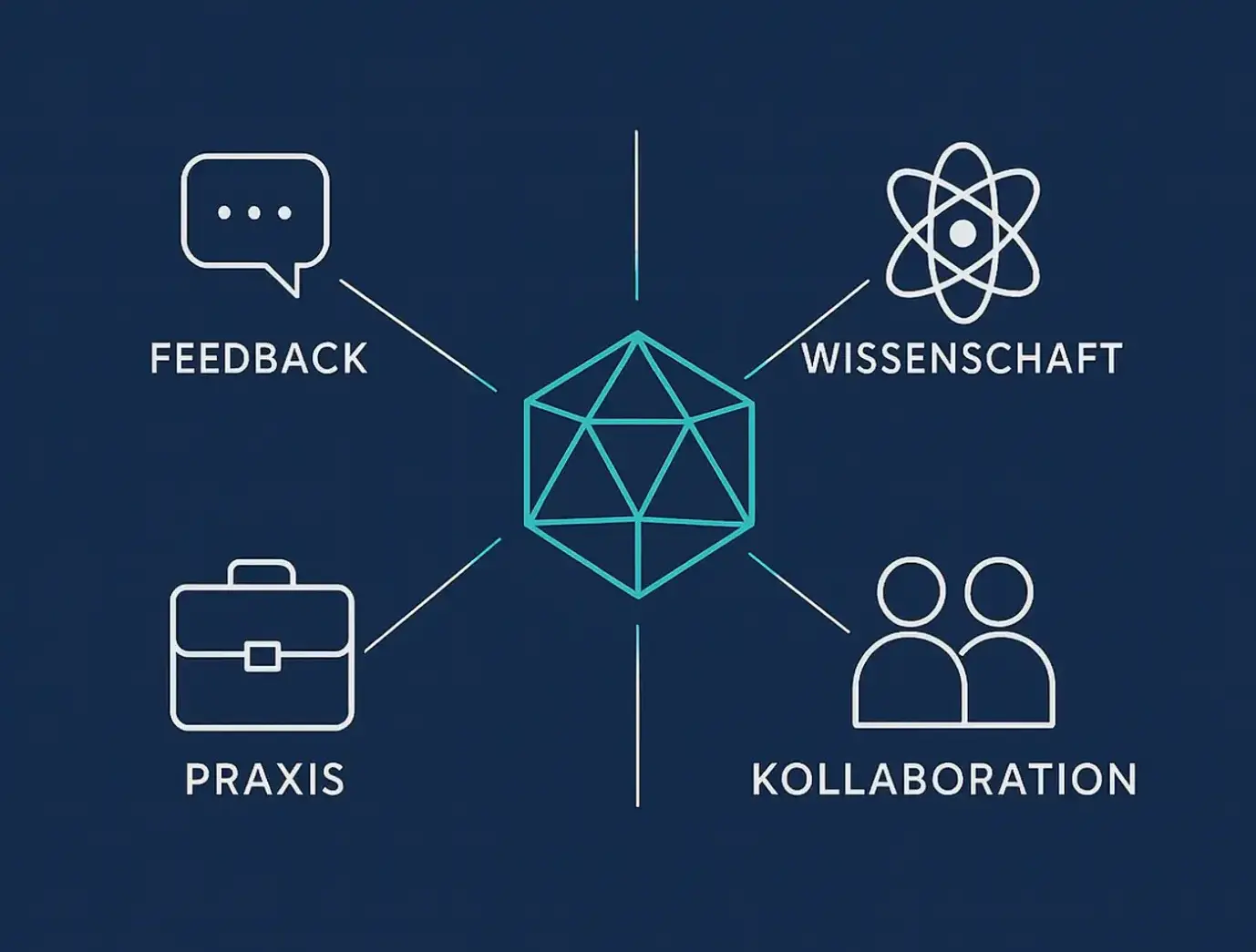
Knowledge only creates value when it is applied in practice and generates measurable results. Our distinctive Fusion Learning approach combines analytical preparation, challenging real-world negotiation simulations and sustained implementation coaching. This helps counteract the Ebbinghaus forgetting curve and enables participants to apply the negotiation skills developed during the in-house negotiation training directly in their day-to-day work.
Our methodology combines evidence-based learning principles with company-specific simulations, current insights from negotiation practice, serious gaming and individual feedback loops. Through repeated application and targeted reflection, participants embed new tactics more deeply and replace ineffective routines with more effective negotiation strategies. The result goes beyond the temporary motivational boost of a conventional training programme and supports lasting improvements in performance during critical business negotiations.
Executive Insight: Lessons from In-House Negotiation Training
The Soft-Skills Fallacy: Negotiating Power vs. Communication
Across our work with managers and corporate negotiation teams, we repeatedly observe the same misconception: negotiators tend to overestimate the impact of soft skills such as quick thinking, rhetoric and body language on the final outcome. At the same time, they devote too little attention to the underlying power structure of the negotiation — or ignore it altogether.
Sustainable negotiating power is not created through rhetorical techniques or psychology alone. It is built through strategic preparation, a rigorous analysis of leverage and the systematic development of structural power factors. A credible alternative to the negotiated agreement — the BATNA — is one of the most influential drivers of negotiation outcomes. This balance of power defines the structural foundation of the deal. Only once that foundation is understood can soft skills and tactical communication be used effectively to improve the result at the negotiating table.
The implication: Negotiators who rely primarily on communication talent and psychology risk being structurally outmanoeuvred by a methodically prepared counterpart. Our negotiation training therefore goes beyond rhetoric. Participants learn how to assess the balance of power before a negotiation, identify hidden sources of leverage and systematically strengthen their position. Those who understand their negotiating power gain greater control over the process.
Negotiation Style Self-Assessment: What Is Your Negotiation Profile?
Identify your natural strengths, potential blind spots and areas where you may be giving away value. Move each slider intuitively and receive your personal negotiation profile in around 60 seconds.
This tool provides an indicative self-assessment of behavioural preferences. It is not a psychometric test.
Negotiation profile
Your profile in detail
Analysis and development levers
Our Negotiation Training Team
Our senior negotiation trainers combine extensive corporate experience in procurement, sales and international management with evidence-based training methods and practical negotiation expertise.

Dr Raphael Schoen
Head of Institute | Senior Negotiation Trainer
Sales Director | International Sales Manager
Carl Zeiss | Nova Instruments Inc.
Harvard Business School Online | HHL Leipzig Graduate School of Management
Core expertise
- Negotiation strategy and preparation
- Negotiation tactics and psychology
- Harvard negotiation principles

Maren Riegler
Senior Negotiation Trainer
Master Expert in Strategic Procurement
Mondelez | E-Plus
Board Member, BME – German Association for Supply Chain Management, Procurement and Logistics
Core expertise
- Strategic sourcing
- Procurement negotiations
- Supply chain management

Joachim Jörg Heldt
Senior Negotiation Trainer
Purchasing Director | Sales Director
Bosch Rexroth
Chairman, BME – German Association for Supply Chain Management, Procurement and Logistics
Core expertise
- Understanding professional buyer tactics
- Sales strategy
- Negotiation advisory

Professor Claudia Müller
Senior Negotiation Trainer
Sales Director
Unilever | Braun
ESCP Business School
Core expertise
- Sales management
- Marketing and sales strategy
- Cross-cultural competence

Andreas Grabher
Senior Negotiation Trainer
Global Procurement Director | Indirect Procurement
Stadler Rail | ETH Zurich
procure.ch – Swiss Association for Procurement and Supply Management
Core expertise
- Understanding the other side's perspective
- Procurement tactics
- Negotiation power analysis
In-House Negotiation Training: Tailored to Your Business
Maximise efficiency by bringing our in-house negotiation training directly to your organisation. Rather than losing valuable working time to travel, your team trains where the real business takes place — confidentially, efficiently and focused on your actual negotiation challenges.
Instead of generic role plays, we use company-specific negotiation simulations that reflect your markets, stakeholders and commercial realities. Our senior negotiation trainers deliver customised programmes throughout Germany, Austria and Switzerland.

Evidence-Based Negotiation Methods and Strategies
The Harvard Negotiation Method – Interest-Based Negotiation
BATNA: A Major Source of Negotiation Power
BATNA (Best Alternative to a Negotiated Agreement) determines a significant portion of the negotiation outcome before the negotiation even begins. Negotiators without a credible alternative are vulnerable because their bargaining position is weak. In our negotiation training programmes, executives analyse real customer, supplier and business-partner negotiations and develop a structured power architecture based on alternatives, escalation paths, switching costs and credible leverage points. The objective is simple: strengthen your negotiating position before entering the room.
ZOPA: Where Agreement Is Economically Possible
ZOPA defines whether an agreement is economically possible — or whether both sides are merely trying to talk themselves into a deal that does not actually work. For executives, procurement teams and key account managers, this is critical: without clear limits, target prices and walk-away points, negotiation becomes guesswork. In our training programmes, participants calculate real business cases using target prices, reservation values and objective agreement corridors.
Anchoring: Using Reference Points to Shape Price Expectations
Anchoring is not a psychological gimmick. It is control over the reference frame. The side that sets the first credible number often shapes the entire pricing logic of the negotiation. In our negotiation training programmes, teams develop robust anchors from cost structures, budget logic and market benchmarks for real procurement and sales negotiations.
Recognising and Using Negotiation Styles Strategically
Negotiation styles are not fixed personality types. They are behavioural patterns of pressure, cooperation, avoidance and control. When you recognise these patterns, you can lead the other side instead of merely reacting to them. In our negotiation training programmes, participants analyse real conversational dynamics and translate them into practical leadership, escalation and counter-strategies.
Frequently Asked Questions – In-House Negotiation Training
Who is this negotiation training designed for?
This format is exclusively tailored to B2B organisations and professionals operating under tangible performance pressure, including CPOs, procurement leads, HR directors, sales directors, and C-level executives. It is not an open standard seminar for individuals, but a closed in-house mandate for corporate teams.
What is the structure and duration of an in-house training session?
The standard approach includes an initial briefing to assess your negotiation leverage, followed by a one- to two-day intensive training session, conducted either on-site or remotely. For more complex negotiation structures, we offer multi-stage rollout programmes that include transfer coaching for major upcoming negotiations.
How does this approach differ from conventional seminars?
Our methodology combines power-strategic analysis with the established Harvard framework, augmented by modern negotiation psychology and behavioural economics. The focus is not on superficial soft-skill rhetoric, but on the systematic development of BATNA, ZOPA, and cost-engineering models to manage supplier or customer pressure effectively.
Do you work with actual cases from our company during the training?
Yes, this is central to our approach. Standard role-play scenarios tend to fall short. Under NDA protection, we prepare and simulate your current, real-world negotiation situations—such as monopoly supplier engagements, price increase discussions, or executive separation conversations—and use them as "ghost negotiator" case studies during the session.
How is the return on investment measured?
Since your teams work on authentic B2B cases, the investment often translates into tangible outcomes with the next contract closure. We concentrate on measurable KPIs, including hard savings in procurement, protected margins in sales, and reduced provisions in HR separation management.
Do you also address conflict management and deadlock situations?
Yes. Many negotiations falter not on numbers but on power asymmetries, perceived status violations, or escalating deadlocks. We incorporate psychological conflict management and de-escalation strategies to help reopen stalled fronts in a structured manner.
What is the investment structure for an in-house negotiation training?
Pricing is based on a custom corporate B2B model, determined by the format (one or two days), desired case depth, preparation effort, and participant count. We operate exclusively through closed in-house mandates for organisations—there are no open-enrollment seminars or individual places for private participants. For a precise project estimate, we conduct a brief scoping call with you.
Where do you deliver the negotiation training?
Exclusively inhouse across Germany, Austria and Switzerland — including Berlin, Munich, Frankfurt, Hamburg, Stuttgart, Düsseldorf, Zurich and Vienna — or as a live online seminar. The format is designed for companies based in the DACH region whose working language is English: international teams, foreign subsidiaries and mixed-language departments.
How quickly can the training be implemented for our team?
Fast. After a 30–45 minute scoping call we tailor the case work to your negotiation reality; typical lead time from first contact to delivery is a few weeks, depending on calendar fit. The standard format is a two-day intensive seminar — no software, no platform onboarding, no train-the-trainer overhead. Teams apply the methods to their live negotiations from day one, which is what drives adoption: the training runs on your real cases, not generic role plays.
Is the training suitable for procurement, sales and operations teams?
Yes — these are our core audiences. Procurement teams train supplier negotiations, price-increase defense and cost-based argumentation; sales teams train margin protection against professional buying organizations; operations and project teams train cross-functional and supplier-facing negotiations. Mixed groups work well, since both sides of the table learn each other's playbook.
What do participants say about the training?
The institute holds a 5.0 Google rating from 177 client reviews across its German and English formats. Participants from companies such as Hyundai Mobis ("Absolutely incredible and well versed!") value the combination of evidence-based methodology — the trainer holds a Ph.D. in cross-cultural negotiation, with research published in the International Journal of Conflict Management and Management Review Quarterly — and case work built on the team's own live negotiations.
How can we help? Reach out to us:
Corporate In-House Trainings in Europe
- In-House Training Berlin
- In-House Training Munich
- In-House Training Hamburg
- In-House Training Frankfurt
- In-House Training Stuttgart
- In-House Training Düsseldorf
- In-House Training Vienna
- In-House Training Zurich